Dale and Poahi wore their togs under trousers, and Poahi wore leggings below that. They came to the beach in big puffy coats. It was, of course, deserted. Wind-swept waves battered the beach, and the sun beat down on the sand, adding bright light but not a mote of heat.
They brought tarps too. So did Keith and the other dudes in the 504 Crew. They arranged the tarps over the top and openings of the showerhouse on the beach, then they put lawnchairs in, turned on the hot water and rolled some joints. Heat from the hot water was trapped in the showers by the tarps. The heat reacted with the cold to create a billowing cloud of steam that stayed beneath the tarps.
So that was the annual beach sauna tradition. They sat in the heat, drank beer from an ice-filled cooler and smoked joints, had a real-man korero and, eventually, if they got drunk enough, they’d go for a brief swim before scurrying back into the warm sauna.
That was a tradition Poahi loved. He wished the others would quiet — it seemed meditative, Poahi thought. It should be meditative. The steam was relaxing. If this were a Maori tradition, it would have a spiritual side. People would be silent mostly, interrupting it with an occasional waiata. But Americans do not have a spiritual side, and they simply chatted and drank beer and dared each other to enter the freezing cold ocean.From Poahi the Lackey
Category: Poahi Fuimaono
Authority was a double-edged sword
If word got out that nobody was protecting this beach, they would all come do and do the same thing. This area’d be crawling with gropers and rapists. None of the women’d be safe.

If word got out that nobody was protecting this beach, they would all come do and do the same thing. This area’d be crawling with gropers and rapists. None of the women’d be safe.
Dale had the same concern as Poahi — everybody at the beach expected Dale to do something. Authority was a double-edged sword: perks in good times, obligations in bad.
From Poahi the Lackey
That feeling he could not quite name was camaraderie
He enjoyed playing in those days. It might have been better, he thought, if there was no pay. As it was, it felt like the team was an argument about money more than it was about the rugby.
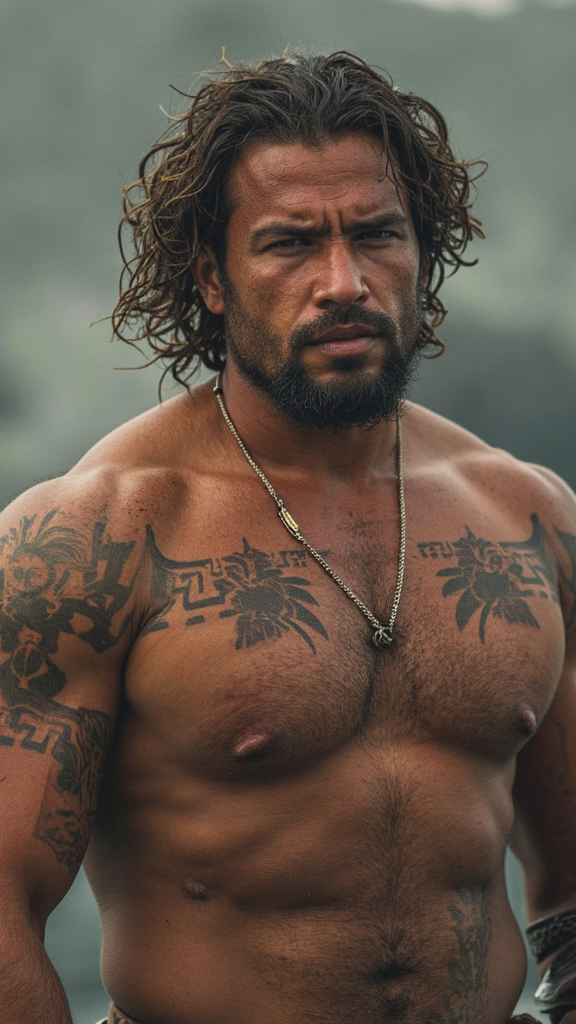
He enjoyed playing in those days. It might have been better, he thought, if there was no pay. As it was, it felt like the team was an argument about money more than it was about the rugby — Alison wanted money; the league, the coaches, the players, the venues, the concessions, the owners. Everyone thought there should be major money, and that it should be theirs.
“I just want-ed to play rugby,” Poahi said what felt like a million times. It was his mantra back then.
But the feeling he was chasing did not come just from playing rugby or even mainly from rugby. That feeling he could not quite name was camaraderie. He enjoyed the camaraderie, and he was willing to play as much rugby as it took to feel it.
From Poahi the Lackey
Nobody heard that symphony but him
They lifted with a rhythm, he thought, and without even trying, they formed a percussive symphony.
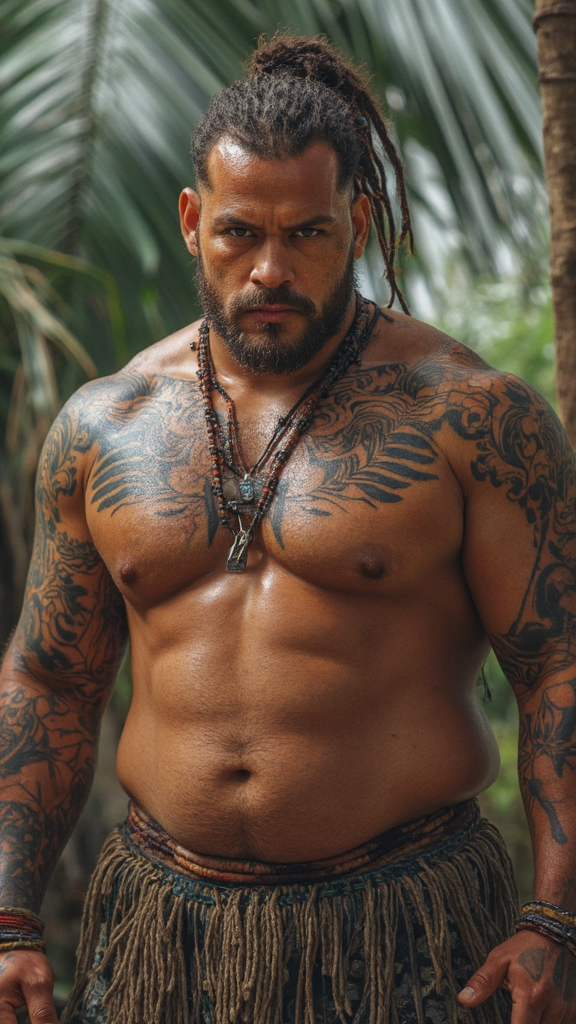
Poahi liked the sense of brotherhood that came from working out together. He lifted weights wordlessly. The other bouncers did the same. Poahi liked that. They lifted with a rhythm, he thought, and without even trying, they formed a percussive symphony.
By the time he finished his reps, Poahi was jazzed up, and he jumped to his feet off the bench press. The percussive chorus of clacking weights and heaving grunts continued without him. His big round face was crestfallen that nobody paid attention. Nobody felt the same way he did. Nobody heard that symphony but him.
From Poahi the Lackey
Poahi on brotherhood and purpose
Content
- Nobody heard that symphony but himThey lifted with a rhythm, he thought, and without even trying, they formed a percussive symphony.
- That feeling he could not quite name was camaraderieHe enjoyed playing in those days. It might have been better, he thought, if there was no pay. As it was, it felt like the team was an argument about money more than it was about the rugby.
Poahi (Big Toe) Fuimaono
Poahi is a former professional rugby player and is a hobbyist surfer.
Descriptions
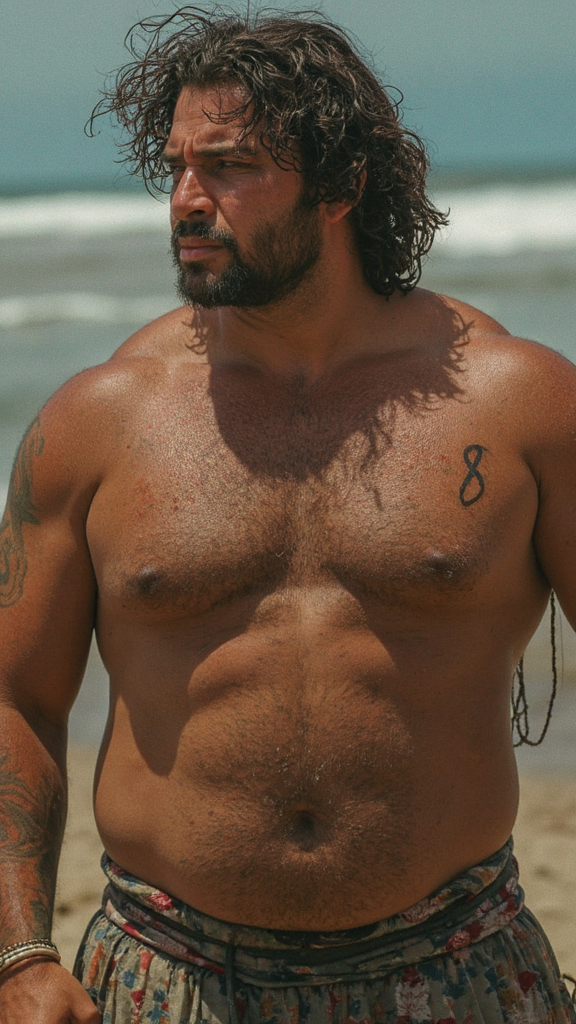
The sun shined bright and boisterous, baking the sand and the brash, bracing salt-spray. Poahi let the heat beat on his shoulders as he surfed the sun away. Waves swelled and crashed, and Poahi spent his hours astride the sea like the dolphins diving next to him. Him and his backstop Dale talked — or yelled the best they could as the ocean churned around them — but Poahi didn’t register any of it.
Today was all about the surf. And the dozens of onlookers looking on. They clapped and cheered and whooped when Poahi surfed, and their support kept him going. He didn’t respond to them, didn’t even acknowledge them. It was better that way. Dale waved at them, and he stopped to chat in between waves. Not Poahi. When Poahi washed in to the beach, he went back out to greet moana again.
When Poahi was a tamaiti, he and his friends always climbed on stuff — if there was something climbable, Poahi’d surmount it. His mother never understood and always yelled at him to get down. Poahi could never explain it to her — it just felt right to be above everybody else, to see things from above. Surfing in front of the crowded beach of swimmers and sunbathers felt the same way. He let a wave lift him up, and for a few seconds at least, Poahi was above it all, and mortal concerns seemed like somebody else’s problem entirely. When he was high on a wave, Poahi didn’t worry about Alison or about Lipsweet or his green card or about being a deadbeat or a ballhead. All he worried about was climbing those waves so he could look upon the land like a wairua.
From Poahi the Lackey
Books
Poahi the Lackey: In 1980s Los Angeles, Poahi works as a lackey for a small-time gangster, which doesn’t give him a lot of time for women… Luckily, he’s willing to ram his manhood at anyone crosses him. That’ll give this Polynesian alpha male plenty of opportunities to get a nut off!
Pictures
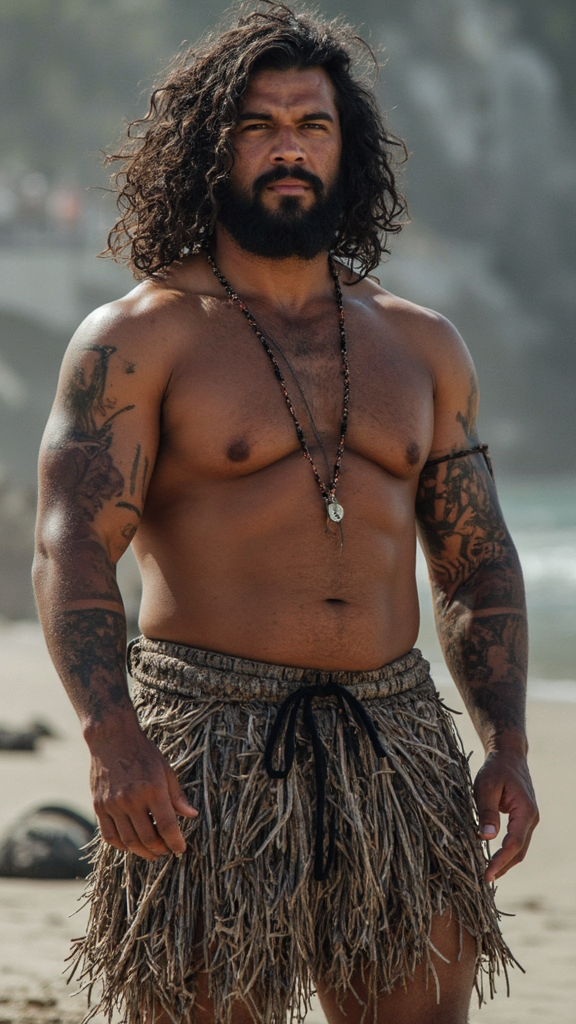
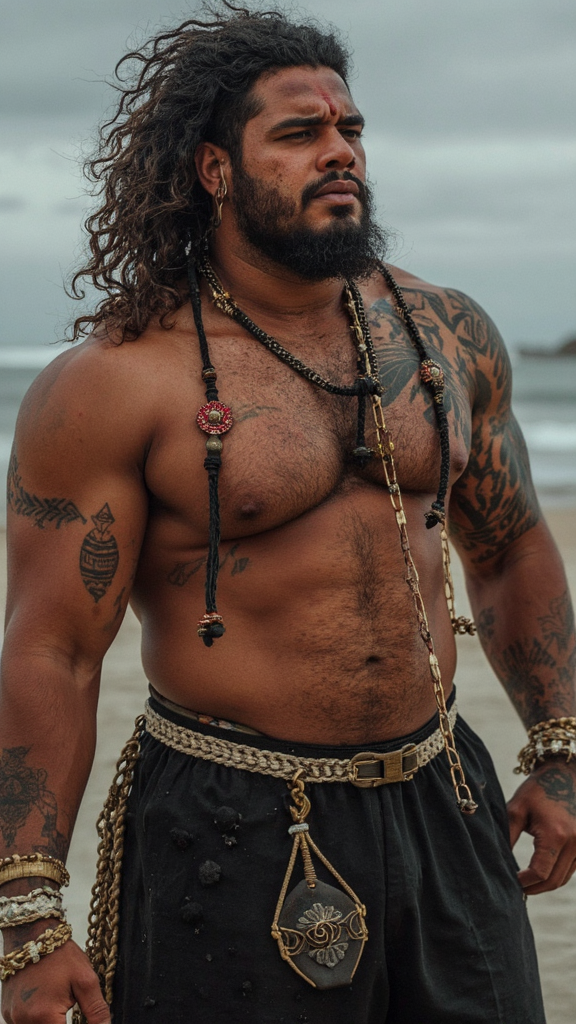
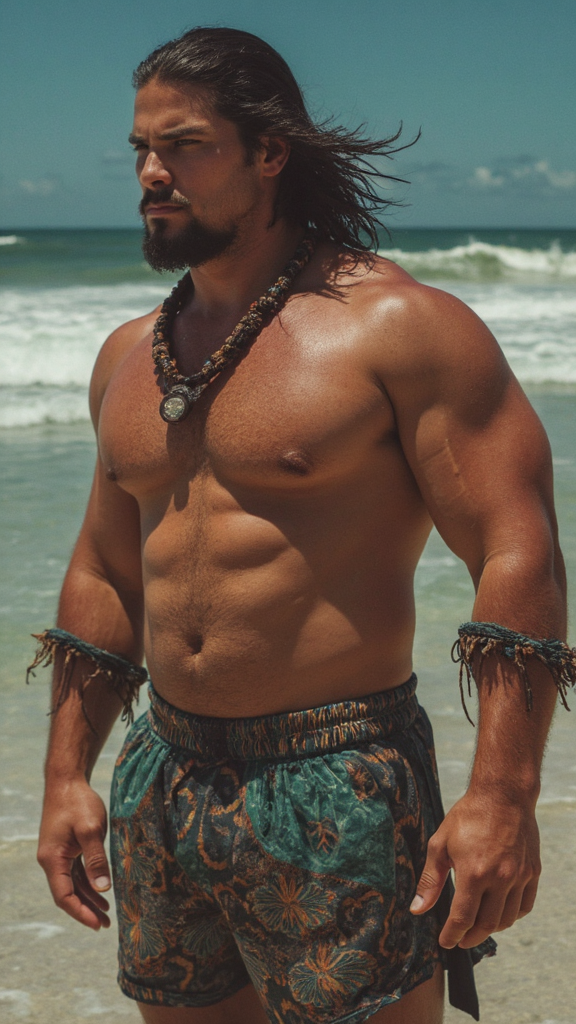


Poahi the Lackey

In 1980s Los Angeles, Poahi works as a lackey for a small-time gangster, which doesn’t give him a lot of time for women… Luckily, he’s willing to ram his manhood at anyone crosses him.
That’ll give this Polynesian alpha male plenty of opportunities to get a nut off!